
Large Animal Research Group
| | |
|---|
Research
We work at the interface between behavioural ecology, population dynamics and evolutionary biology. We currently work in three main areas:
(1) The evolution of vertebrate breeding systems
Current studies are investigating the division of labour and the evolution of cooperation in social mongooses and mole-rats; the distribution of various forms of sociality across mammalian species; and the causes and consequences of variation in the mating systems of mammals.
(2) Population regulation and the control of population stability in large mammals
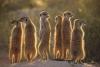
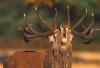
Long-term studies in red deer (on Rum), Soay sheep (on St Kilda) and suricates (southern Kalahari) are examining the ecological factors generating stability and instability in populations; the effects of early development on adult success and survival; and asymmetries in competition between the sexes.
(3) Natural and sexual selection in natural populations
We are currently using various long-term studies of mammalian populations to investigate selection on phenotype and genotype in natural populations; how and why variation in behaviour is generated and maintained; and the heritability of behaviour and reproductive success.
(2) Population regulation and the control of population stability in large mammals
Long-term studies in red deer (on Rum), Soay sheep (on St Kilda) and suricates (southern Kalahari) are examining the ecological factors generating stability and instability in populations; the effects of early development on adult success and survival; and asymmetries in competition between the sexes.
(3) Natural and sexual selection in natural populations
We are currently using various long-term studies of mammalian populations to investigate selection on phenotype and genotype in natural populations; how and why variation in behaviour is generated and maintained; and the heritability of behaviour and reproductive success.
Current Members
The Large Animal research group usually consists of 4-6 PhD students and 5-8 post-docs. If you are interested in joining Prof. Clutton-Brock's group, please check this information.