Coming to Cambridge from abroad: testimonials
We have welcome postdocs from around the world. Several of them wrote about their experience of moving to the UK
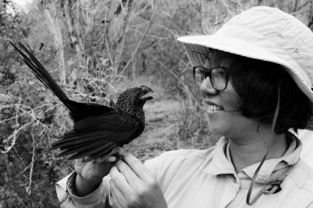 Dr Kiyoko Gotanda, FQRNT Postdoctoral Fellow
Moved to Cambridge from Canada
“I had not moved cities or countries in 18 years, and I also completed my undergraduate and PhD at the same institution. The thought of a new university, new city, and new country was quite daunting. However, I received excellent guidance and assistance from members of the Department of Zoology that ensured a smooth transition. The Departmental Administrator, and the HR and Grants Administrator, knew which visa I would need based on my fellowship and helped guide me through the necessary steps for obtaining my visa. Upon arrival to Cambridge, within one day, I had my email account set up, my access card, and all necessary documents taken care of. Beyond the logisitics of moving to a new university and country, the department has made me feel very welcome. The departmental induction and the university induction helped me understand the inner workings of University of Cambridge (the Colleges baffled me when I first arrived), and a variety of events organized by the department has allowed me to easily and quickly meet members of the department. I am grateful that my transition was quick and smooth, and allowed me to quickly resume my research, and this was possible through the support offered by the Department of Zoology!”
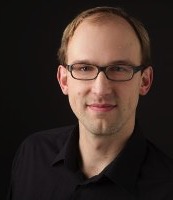 Dr Mario Krapp, Research Associate
Moved to Cambridge from Germany
“A couple of months back I thought applying for a job at the University of Cambridge is a safe bet given that we are all EU citizens, me coming from Berlin, Germany. People from the department were very supportive, welcoming, and kind helping me and my family to settle. Still, as for many Britons, the outcome of the Brexit referendum came as a shock for us. However, because of the encouraging support of the department and the university, I personally don’t see any unresolvable drawbacks in the near future, and I’m looking forward to my work here at the department. (A small anecdote: My supervisor is Italian (Andrea Manica) and from the ~10 people of our lab, one is British. He’s from Scotland, though).”
Dr Jonas Geldmann, EU Marie Skłodowska-Curie Individual Fellow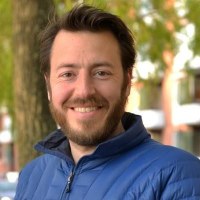
Came to Cambridge from Denmark
“I started my fellowship in the Zoology Department’s Conservation Science Group in March this year funded by the EU Marie Skłodowska-Curie Individual Fellowships program. Both before and after, the department has been extremely welcoming and supportive, offering invaluable assistance with the application process as well as helping to make me feel welcome, and overcoming the inevitable challenges of moving to a new country. In the application phase the administrative staff as well as fellow academics were extremely supportive, helping with everything from the technical details of the grant to valuable input on the actual project. I would not have been able to successfully complete the application without their assistance. After starting, I have experienced nothing except an open, friendly and academically stimulating and collaborative environment where everyone is keen to help and get involved in each-others work. This is truly a fantastic place to work, and being located in the David Attenborough Building with hundreds of other conservation scientist and practitioners only adds to the already great environment of the university.”