skip to content
Study at Cambridge
About the University
Research at Cambridge
Search site
Home
Study at Cambridge
Undergraduate
Courses
Applying
Events and open days
Fees and finance
Student blogs and videos
Graduate
Why Cambridge
Qualifications directory
How to apply
Fees and funding
Frequently asked questions
International students
Continuing education
Executive and professional education
Courses in education
About the University
How the University and Colleges work
History
Visiting the University
Term dates and calendars
Map
For media
Video and audio
Find an expert
Publications
International Cambridge
News
Events
Public engagement
Jobs
Giving to Cambridge
Research at Cambridge
For staff
For current students
For alumni
For business
Colleges & departments
Libraries & facilities
Museums & collections
Email & phone search
Home
Research
Groups
Krude Lab
Department of Zoology
Home
About
The Department
Contact Us
How To Find Us
Equality, Inclusion and Wellbeing
Equality, Inclusion and Wellbeing overview
Annual Equalities and Wellbeing Lecture 2021
Annual Equality and Wellbeing Lecture 2023
Zoology Library
University Museum of Zoology
History of the Department
Work with us
Work with us overview
Visitors
People
People overview
Research Group Leaders
All Academic and Research Staff
Professional Services
Postgraduate Students
Honorary Research Fellows
Research
Research Themes
Behavioural Ecology
Behavioural Ecology overview
Behaviour and Evolution Group
Kilner Group
Large Animal Research Group
Marine Behavioural Ecology Group
Spottiswoode Group
Cell & Development Biology
Cell & Development Biology overview
Baylis Group
Benito-Gutiérrez Group
Drosophila Connectomics
Krude Group
Neural Network Development Group
Planar Cell Polarity Group
Weil Group
Conservation Science
Conservation Science overview
Agroecology group
Aquatic Ecology Group
Conservation Science Group
Insect Ecology Group
Evolutionary Genetics and Genomics
Evolutionary Genetics and Genomics overview
Deep-time Ecology Group
Evolutionary Ecology Group
Evolutionary Genetics Group
GeoGenetics Group
Insect Evolution and Genomics Group
Molecular Ecology Group
Morphological Evolution Group
Pathogen Evolution Group
Neurobiology, Biomechanics and Behaviour
Neurobiology, Biomechanics and Behaviour overview
Drosophila Connectomics
Drosophila Connectomics overview
Drosophila Connectomics Alumni
Insect Biomechanics Group
Insect Neurobiology Group
Neural Network Development Group
Neurobiology of Acoustic Communication Group
Zlatic Group
Zlatic Group overview
Media Coverage
Palaeobiology
Palaeobiology overview
Deep-time Ecology Group
Mammal Evolution and Morphology
Vertebrate Palaeontology Group
Groups
Groups overview
Group Members
Behaviour and Evolution Group
Behaviour and Evolution Group overview
Group Members
Recent publications
Past Group Members
Behavioural Ecology Group
Behavioural Ecology Group overview
Publications
Research
Join us
News & Media
Conservation Science Group
Conservation Science Group overview
Group Members
Research
Publications
Former group members
Drosophila Connectomics
Drosophila Connectomics overview
Research
Team Members
Publications
Funding
Software and tools
What else we do
Positions Available
Contact us
Evolutionary Genetics Group
Evolutionary Genetics Group overview
Former group members
Genetics and evolution of coloration in birds
Publications
Collaborators
Co-evolution of colour vision and coloration in birds and other vertebrates
The evolution and function of colour vision in primates
GeoGenetics Group (Cambridge)
GeoGenetics Group (Cambridge) overview
Group Members
Research
Lab members
Publications
News
Insect Biomechanics Workgroup
Insect Biomechanics Workgroup overview
Group Members
Design and function of adhesive systems
Locomotion and adhesion
Biomechanics and ecology of insect-plant interactions
Publications
Posters
Awards and Prizes
Media
Former group members
PhD hats
Insect Ecology Group
Insect Ecology Group overview
Group Members
Former members and collaborators
Useful links
Ongoing projects
Recent publications
News and blogs
Opportunities
The University Museum of Zoology Insect Collection
Insect Neurobiology Group
Insect Neurobiology Group overview
Research projects
Recent publications
Media
Collaborations
Krude Lab
Krude Lab overview
Group Members
Research Interests
Publications
Protocols
Previous lab members
Laboratory for Development and Evolution
Laboratory for Development and Evolution overview
Research
Group Photos
Publications
Former Lab Members
Seminar Series in Evolution and Development
Large Animal Research Group
Large Animal Research Group overview
Group Members
Long-term projects
Join LARG
Publications
Former group members
Molecular Ecology Group
Molecular Ecology Group overview
Group Members
Past Members
Neurobiology of Acoustic Communication
Neurobiology of Acoustic Communication overview
Lab Members
Acoustic Communication in Insects
Neural Control of Singing Behaviour
Motor Control of Phonotactic Behaviour
Auditory Pattern Recognition
Corollary discharge mechanism during singing
Optical Imaging of Neuronal Activity
Methods and Techniques
Publications
Ongoing projects
Palacios Lab
Palacios Lab overview
Research
Publications
Outreach
Past lab members
About the lab
Radiating Butterflies
Radiating Butterflies overview
Group Members
Research
Publications
Former Lab Members
Photos
News
Baylis Group
Baylis Group overview
Group Members
Publications
Research
Recent Publications
Alumni
Aquatic Ecology Group
Aquatic Ecology Group overview
Group Members
Group publications
Past group members
Whitten Programme in Tropical and Aquatic Biology
Whitten Programme in Tropical and Aquatic Biology overview
The Whitteners
The Whitten Blog
Tony Whitten
Seminars and Events
Study
Study overview
Future Undergraduates
Current Undergraduates
Part II Zoology
Part II Zoology overview
Michaelmas Term Modules 2023-24
Lent term Modules 2023-24
Biological and Biomedical Sciences
Janet Moore Prize
Postgraduates
Postgraduates overview
Project List
Funding
Application FAQs
Testimonials
Cambridge ZooCast
Facilities
Research Support
Balfour-Browne Fund
Darlington Fund
J. Arthur Ramsay Fund
Tim Whitmore Zoology Fund
Outreach
News
Alumni
Alumni overview
Alumni Newsletters
Alumni Newsletters overview
On learning to be a Zoologist
Biographies of Zoologists
Biographies of Zoologists overview
Alfred Newton
James Arthur Ramsay
Francis Maitland Balfour
Charles Goodhart: A Twentieth Century Life
Hans Gadow [1855-1928]: Prussian Morphology meets Cambridge Zoology
The Bidders: a Cambridge zoological family.
John Stanley Gardiner
Sir James Gray MC CBE FRS Fourth Professor of Zoology
Adam Sedgwick
Carl Pantin - an enthusiasm for, well, everything
Dame Anne McLaren
Dr A.V. (Bill) Grimstone (1933-2018)
George Salt
Hans Werner Lissmann
Laurence Picken
Sir Clive Forster-Cooper
Sir James Beament
Sir Vincent Wigglesworth
Sydney J. Hickson - a life among corals
William Thorpe
Restored Darwin Etching
Join the Alumni and Friends of Zoology email list
Why I donated to the Tropical Field Course
Why I donated to the Tropical Field Course overview
Part II Zoology student and field course
Support Zoology
Support Zoology overview
Tropical Field Course
Research Support Fund
Museum of Zoology
Student Support Fund in memory of John Treherne
Research Studentships
Methods of giving
Postdocs & Fellows
Fellows - How to join us on a Research Fellowship
Junior Research Fellowship Schemes
Senior Research Fellowship Schemes
Postdocs
Postdocs overview
Arriving in Cambridge: information
Coming to Cambridge from abroad
Support across the University
Intranet
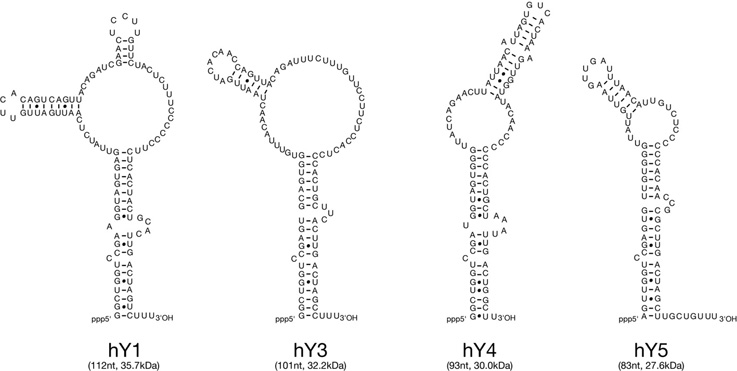
Human Y RNAs
Department of Zoology
Research
About
People
Study
Research Support
Outreach
News
Alumni
Support Zoology
Postdocs & Fellows
Intranet